



Uncovering myths about casino winnings: fact or fiction?
Understanding the Odds
One of the most enduring myths surrounding casinos is the belief that players can manipulate the odds to their advantage. In reality, every game offered within a casino is designed with an inherent edge for the house, ensuring that, over time, the casino will prevail. For instance, slot machines utilize a random number generator that determines the outcome of each spin independently, meaning every spin is entirely random. Although some players may experience short-term victories, many enthusiasts delve into specialized platforms for more insights, such as sports betting canada , where understanding these dynamics becomes even more essential.
Another common misconception is that various betting strategies, such as the Martingale system, can influence the inherent odds of games. This system encourages players to double their bets after losing, hoping to recoup their losses with a single win. While it may appear effective in the short term, it fundamentally relies on having an unlimited bankroll—something most players do not possess. Many have discovered that this approach can lead to significant financial losses, emphasizing the importance of understanding the odds rather than relying on misleading strategies to achieve success.
Additionally, players often believe they can “read” games, particularly in skill-based games like blackjack or poker, by identifying patterns or trends. However, the randomness and variability of these games make it nearly impossible to predict outcomes accurately. This misconception may lead players to overestimate their skills and make misguided betting decisions, ultimately resulting in substantial financial losses. It is essential for anyone engaging in gambling to grasp the truth about casino odds to ensure they approach their gaming experience responsibly.
The Role of Luck
Luck is frequently cited as a crucial element in gambling, with many players convinced that certain individuals are simply “luckier” than others. While it is true that luck plays a significant role—especially in games of pure chance—it is vital to recognize that luck operates within a framework of probability. Cognitive biases, such as selective memory, can distort perceptions of luck, as players tend to recall their wins while conveniently forgetting their losses. This biased recollection fosters a false sense of confidence, leading individuals to take unnecessary risks that can be detrimental to their bankroll.
Moreover, narratives surrounding big winners contribute to the mythos of luck in gambling. These stories often focus on exceptional cases, glossing over the countless accounts of players who have lost significant amounts of money. It is essential to understand that while luck can yield substantial wins, it is not a reliable or predictable aspect of gambling. Each player has an equal chance to win, but this should not be misconstrued as a guarantee of success. Recognizing this reality helps maintain a level-headed approach to gambling.

Furthermore, an overemphasis on luck detracts from the importance of skill and strategy in specific games. Take poker, for example: while luck may influence the cards dealt, the best players rely on a deep understanding of game mechanics, psychology, and effective risk management. This balance between luck and skill reinforces the idea that while luck is an element of gambling, it is not the sole determinant of success at the tables, and understanding this distinction can lead to a more rewarding gaming experience.
Winning Strategies and Their Limitations
In their pursuit of success, many players search for winning strategies, convinced they have unlocked the secret to overcoming the house edge. While certain strategies can genuinely enhance a player’s experience, it is crucial to comprehend that they do not guarantee victory. For instance, in blackjack, employing basic strategy can significantly reduce the house edge; however, the house still retains a statistical advantage. Each hand is subject to chance, and no strategy can fully negate the randomness of card dealing, making it essential for players to temper their expectations.
Some gamblers may be lured by betting systems promising to help recover losses, often leading to financial peril. These systems typically operate on the flawed principle that previous bets influence future outcomes. A player facing a long series of losses may chase those losses in an attempt to regain their bankroll. This behavior often results in even greater losses than initially incurred, underscoring the danger of trusting in systems that ignore the fundamental nature of independent bets and the randomness inherent in gambling.
While there are valid strategies that can improve a player’s odds, it is vital to approach them with a realistic mindset. Responsible gambling necessitates an understanding that no strategy can eliminate the house edge, and the primary focus should be on enjoyment rather than solely on winning. By maintaining an entertaining approach to the game, players can create a more sustainable and enjoyable gambling experience, free from the pressures of unrealistic expectations and potential financial strain.
The Myth of the Due Factor
The “due factor” is a prevalent myth among gamblers, where individuals believe that machines or games that have not paid out recently are “due” for a win. This belief can lead players to gamble more aggressively, anticipating a significant payout based on the notion of timing. However, this mentality overlooks the inherent randomness of casino games, which do not operate on predictable cycles or schedules. Understanding this is crucial for maintaining a responsible approach to gambling.
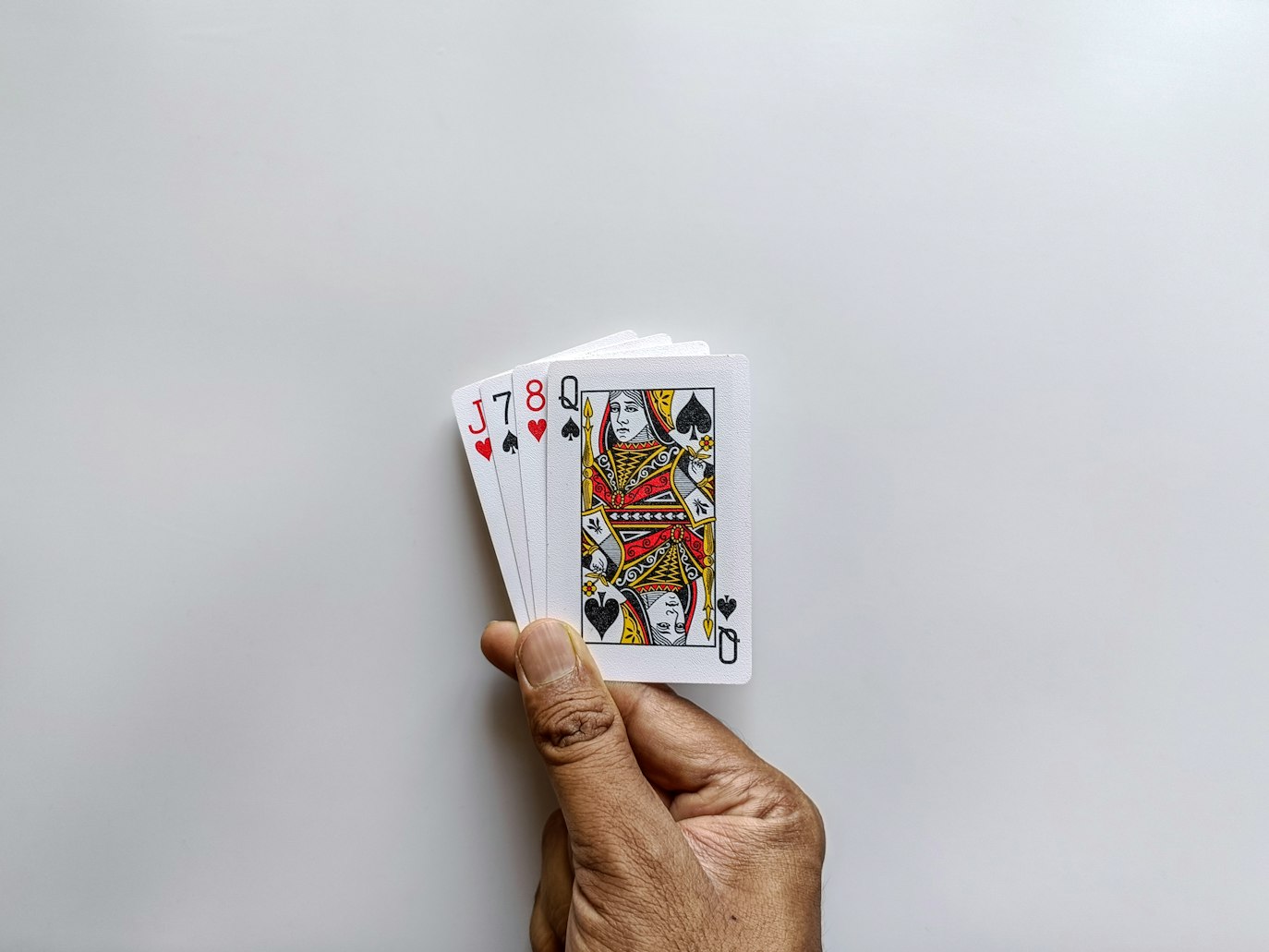
The due factor is essentially rooted in the gambler’s fallacy, which mistakenly assumes that past outcomes can influence future events. For instance, if a slot machine hasn’t paid out in a while, players might believe it is more likely to hit a jackpot soon. However, each spin is an independent event, and the previous outcomes have no bearing on the next. This misconception can foster overconfidence, leading players to chase after anticipated wins and ultimately resulting in substantial financial losses that could have been avoided with a clearer understanding of how games function.
Recognizing that each game operates independently is vital for making informed gambling decisions. By relinquishing superstitions and focusing on statistical probabilities, players can adopt a clearer perspective on their gaming sessions. This shift in mindset is essential for embracing a responsible gambling approach that prioritizes enjoyment while minimizing the risks associated with chasing after unfounded beliefs that can lead to detrimental outcomes.
Responsible Gambling and Research
In today’s digital landscape, the significance of responsible gambling practices has become a central focus within the gaming industry. Many establishments and online platforms are dedicated to promoting awareness and providing resources to help players set limits on their spending and betting behavior. Understanding the various myths surrounding casino winnings plays a crucial role in fostering responsible gambling. By educating themselves about the realities of gambling, individuals are better equipped to make informed decisions that prioritize their well-being and enjoyment while mitigating potential risks.
Engaging in research about gambling can significantly enhance one’s understanding of odds, strategies, and the psychology behind gambling behaviors. This knowledge empowers players to distinguish between healthy gambling habits and potentially problematic behaviors. Creating an environment where enjoyment is paramount, rather than succumbing to the compulsive urge to chase losses, is essential for a fulfilling gambling experience that prioritizes mental and financial health.
Many casinos now offer tools such as self-exclusion programs, deposit limits, and budgeting assistance to support their players in maintaining responsible gambling practices. Utilizing these resources can greatly contribute to a safer gambling experience. By cultivating a culture of responsible gaming, players can relish their time spent in casinos while actively managing the inherent risks that accompany gambling activities, ensuring that their gaming remains an enjoyable and sustainable pursuit.